
A forager’s look at the wild food and medicine just beyond your doorstep.
You step outside. The dandelions are back. Violets creep along the edges of the lawn. You sigh. Maybe you pull a few. Maybe you just walk past them.
But what if those “weeds” weren’t weeds at all?
What if they were food? Or medicine? Or both?
At Sage + Seed, I believe your yard—whether it’s a patch of grass, a neglected fence line, or a city sidewalk—can be more than just scenery. It can be a pantry. A first-aid kit. A teacher.
Let’s take a look at a few wild plants growing all around us—the kind most folks overlook—and how you can start working with them in safe, simple ways.
A Note Before We Begin: Forage Responsibly
Before harvesting anything, always:
- Positively ID the plant using at least two trusted sources (books, guides, apps, or experienced foragers)
- Harvest clean — never collect near roadsides, dog parks, or anywhere chemicals may have been sprayed
- Take only what you need — leave plenty behind for pollinators, wildlife, and the plant’s own regeneration
- And most importantly: when in doubt, don’t eat it

1. Dandelion (Taraxacum officinale)
Every part is edible—from root to flower.
We’ve been trained to see dandelions as weeds. But this plant? It’s generous.
Use:
- Leaves – early ones are great in salads or sautéed
- Flowers – make jelly, fritters, or infused oil
- Roots – roast and brew like coffee, or dry for detox blends
Why I love it:
Dandelion supports the liver, provides essential minerals, and is one of the easiest wild plants to identify.

2. Wild Violet (Viola sororia)
Cooling, soothing, and so often missed.
Use:
- Flowers – sprinkle in salads, candy them, or infuse into syrups
- Leaves – mucilaginous and gentle, great for skin or in calming teas
Why it matters:
Wild violet is anti-inflammatory and supports the lymph system. It’s also just…beautiful.

3. Plantain (Plantago major or lanceolata)
Your backyard’s best first-aid herb.
Use:
- Leaves – chew and place on bug bites, stings, or scrapes (nature’s bandage)
- Add young leaves to soups, teas, or dry for homemade salves
Why it matters:
Plantain is wound-healing, soothing to the skin, and probably growing right under your feet.

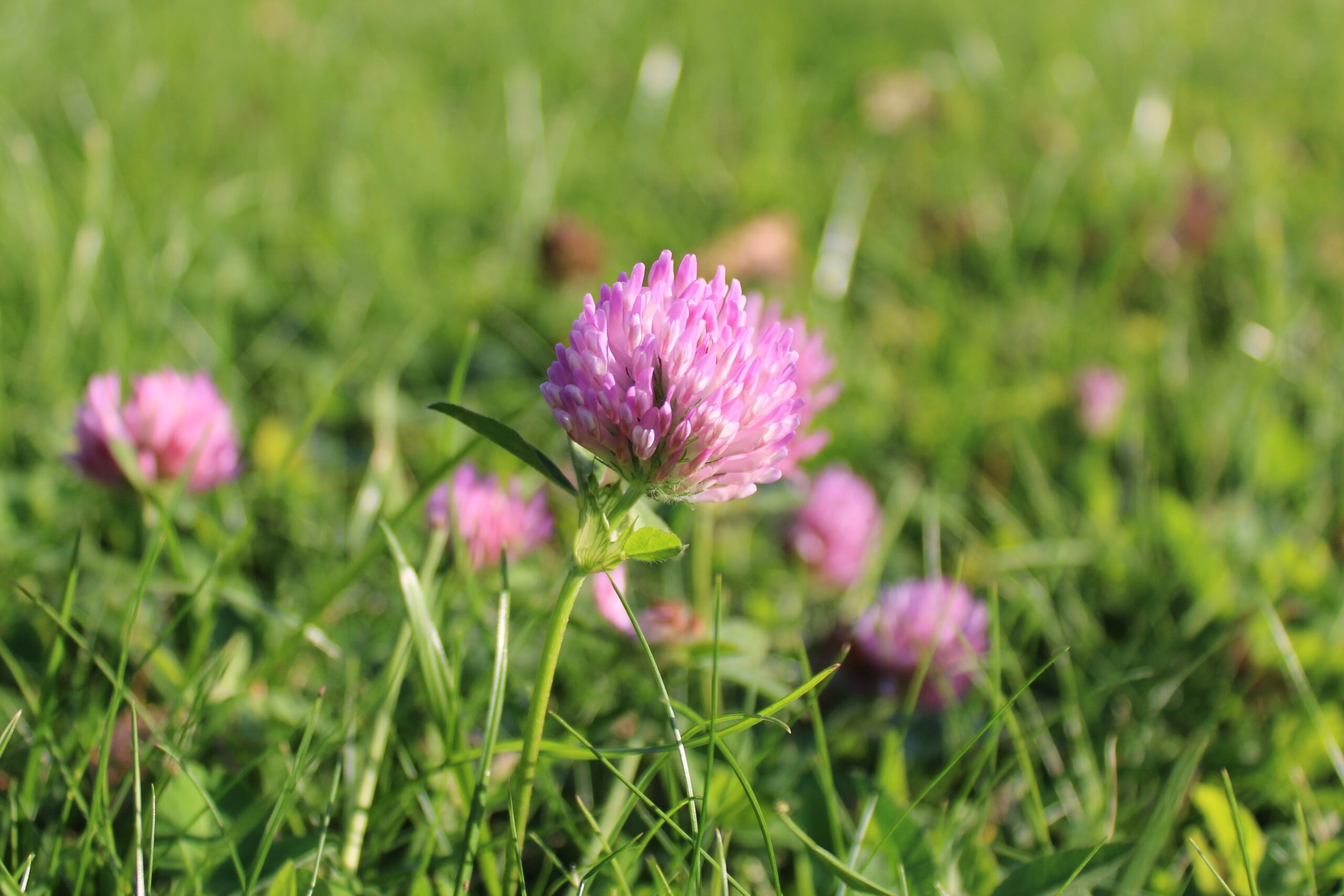
4. Clover (Trifolium spp.)
Not just lucky—nutritious, too.
Use:
- Red or white blossoms – steep for tea or dry for later
- Leaves – tender ones can be tossed into salads
Why it matters:
Red clover is mineral-rich and traditionally used for hormone support and detox.

5. Chickweed (Stellaria media)
Small, tender, and full of vitality.
Use:
- The whole top half of the plant, before flowering, is edible raw or lightly cooked
- Make pesto, toss in smoothies, or infuse into oils for skin support
Why it matters:
Chickweed is rich in vitamins and soothing for the skin and digestion. It’s a springtime powerhouse.

6. Wood Sorrel (Oxalis spp.)
Looks like clover, tastes like lemon zest.
Use:
- All aerial parts are edible in moderation — great for adding a tart note to salads or infusions
Why it matters:
High in vitamin C and super refreshing. But go easy—sorrel is high in oxalates, so it’s best used sparingly and not every day.
Bonus Plants You Might Be Missing
Here are a few more wild edibles to keep an eye out for:
- Lamb’s Quarters – wild spinach substitute, incredibly nutritious
- Wild Garlic/Onion – follow your nose
- Yarrow – flowers and leaves used in teas or salves
- Creeping Charlie – member of the mint family, great for teas and tinctures
Getting Started With Backyard Foraging
- Start with one plant. Learn how it grows, what it looks like in every season, and how it behaves in your yard.
- Keep a foraging journal. Sketch leaves, jot down when plants appear, note where they grow.
- Join a local plant walk. Community learning is safer, more fun, and often full of surprises.
- Try making teas, salves, or smoothies with what you’ve harvested — small experiments go a long way.
Want a Free Wild Violet Salve Recipe?
I’ve created a printable recipe card that walks you through how to make a gentle, skin-soothing wild violet salve—perfect for spring foraging.
General Shelf Life Estimate (Homemade, No Preservatives):
- 6 to 12 months is a safe range.
- Use it within 6 months for best potency and freshness, especially if it contains no essential oils or vitamin E.
- If you add vitamin E oil (which acts as a natural antioxidant), it may extend shelf life closer to 12 months.
Ways to Extend Shelf Life:
- Use dry plant material only — no moisture should remain in the infused oil before making the salve.
- Store in a cool, dark place — sunlight and heat break down oils faster.
- Use amber or cobalt jars to reduce light exposure.
- Add vitamin E oil — 0.5–1% of the final volume can slow oxidation.
- Make small batches you’ll actually use in a few months.
Signs It’s Time to Toss:
Texture changes significantly or separates unexpectedly
The salve smells rancid or “off”
There’s any mold or moisture on the surface
Final Thoughts
You don’t have to venture deep into the forest to connect with plants.
Sometimes the most powerful medicine is already growing under your feet—quietly, persistently, and patiently waiting to be noticed.
So next time you’re outside, slow down. Look again. Say hello to the wild things growing with you.
With wild wonder,
Jennifer @ Sage + Seed