
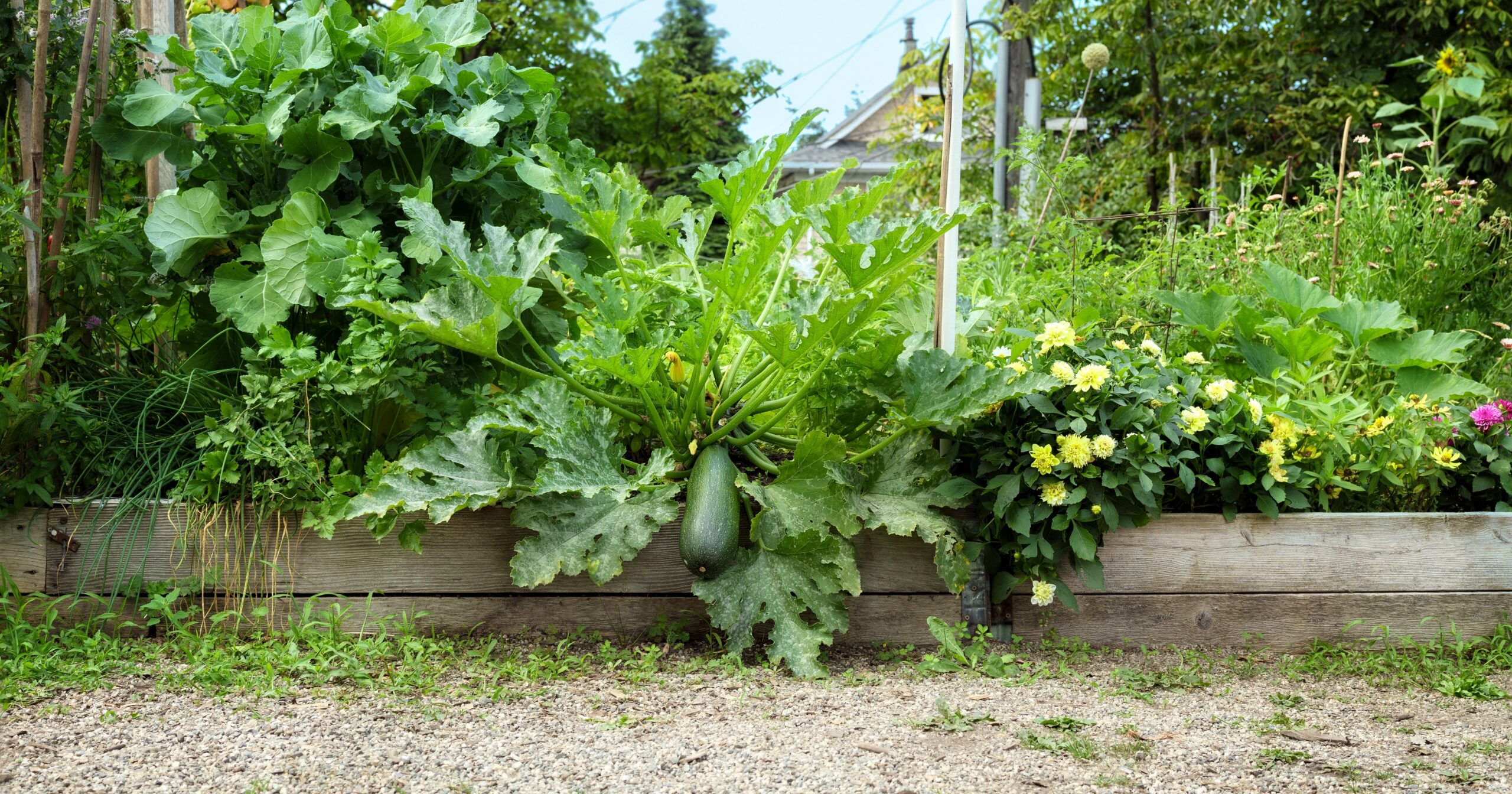
August always feels like a turning point. The garden is full and buzzing, with bees and butterflies flitting from bloom to bloom. The tomatoes are ripening faster than I can pick them, and the squash vines are starting to wander into unexpected places. But beneath all the abundance, there’s a quiet reminder that change is coming. The days are just a touch shorter. The nights, just a whisper cooler.
This is the month to savor what’s ripe, tidy up what’s tired, and gently start preparing for the shift toward fall.

🧺 What to Harvest in August
Depending on your zone (especially in Zones 5–7), August can be wildly abundant. Here’s what I’m usually harvesting this month:
- Tomatoes – Pick often and early to avoid splitting. Slice and freeze or roast with herbs and olive oil.
- Cucumbers – Harvest before they get too big and bitter. Perfect for quick pickles.
- Summer squash & zucchini – Best when small. Try shredding and freezing for winter breads and soups.
- Peppers – Sweet and hot varieties are ready now. Dry or freeze extras.
- Herbs – Basil, thyme, oregano, chives, and mint are in full swing. Dry or infuse into vinegars or oils.
- Beans – Keep harvesting to encourage more production.
- Melons & corn – If you’ve grown them, now’s the time to start checking for ripeness daily.
🌿 Tip: Pick in the early morning when plants are perky and full of moisture. It’s better for the produce and your energy levels.
🌼 Wild Things: What to Forage in August
This is a wonderful month for wild food and medicine. Keep your eyes open while walking your land or nearby paths.
- Elderberries – Rich in antioxidants and perfect for syrup-making. Make sure they’re fully ripe (deep purple and drooping clusters).
- Goldenrod – Beautiful, bee-loved, and useful for teas and tinctures.
- Purslane – A crunchy, lemony weed high in omega-3s—great tossed into salads.
- Chickweed – Often regenerates with August rains; gentle and cooling.
- Wild grapes (or grape leaves) – Leaves are great for fermenting or stuffing.
- Blackberries – Ripening in hedgerows and fence lines.
🍇 Tip: Always forage responsibly—know your plants, leave plenty behind, and watch for roadside pollutants.

🧑🌾 Garden Chores: Cleanup & Prep Work
It’s tempting to kick back and just enjoy the garden’s peak—but August rewards the observant gardener who tidies up and plans ahead.
✅ What to tidy:
- Remove spent crops (like bolted lettuce or tired peas) to make room for fall planting.
- Prune tomato suckers and trim excess leaves for better airflow and fruit ripening.
- Weed aggressively before they go to seed. Your future self will thank you.
- Deadhead flowers to encourage continued blooming (zinnias, cosmos, calendula).
- Check and clean trellises before they collapse under the weight of fruiting vines.
🧽 Tip: Sterilize pruners with rubbing alcohol between plants, especially if you’re trimming anything diseased.
🌱 Succession Planting & Fall Crops
There’s still time to plant for a fall harvest! The soil is warm, germination is fast, and many plants thrive in the cooler days ahead.
Plant now:
- Greens: Lettuce, kale, spinach, arugula, and Swiss chard
- Roots: Beets, radishes, turnips, and carrots (get them in early)
- Brassicas: Broccoli, cauliflower, cabbage (transplants work best)
- Herbs: Cilantro and dill (they love cooler temps and bolt less in fall)
🌒 Tip: Use shade cloth or row cover to protect new seedlings from August’s heat and sunburn. Water in the evening to help cool the soil.
🐛 Pests to Watch Out For
Heat-loving bugs are often at their worst in August. Check daily for these common culprits:
- Tomato hornworms – Big and hungry. Look for missing leaves and droppings.
- Squash bugs – Lay clusters of bronze eggs under leaves. Scrape off early.
- Cabbage worms – Watch brassicas closely. Use BT or hand-pick if needed.
- Spider mites – Love dry, dusty leaves. Spray with water or neem oil.
- Aphids – Still active. Try a blast of water or a soapy rinse.
🐞 Tip: Encourage beneficial insects like ladybugs and lacewings by planting yarrow, dill, and alyssum nearby.
🌿 Things to Move or Consider Bringing In
- Tender herbs in pots (like basil or lemongrass) can stay out for now but may need transitioning next month.
- Overwintering potted perennials like figs or rosemary may benefit from slow adjustment to partial shade toward late August.
- Houseplants vacationing outside should be checked for pests and gently acclimated before the first cool nights roll in.
🏡 Tip: Don’t wait until the first frost warning to bring plants in. Start the shift now to reduce shock and hitchhiking pests.
🧘 Final Thoughts for the August Garden
This is a month of balance—of honoring the riot of summer color while quietly preparing for the stillness to come. Keep harvesting with joy. Keep tending with intention. Take notes for next year, and take time to sit in the shade with something cold to drink.
The season is shifting. But there’s still so much beauty to tend, taste, and tuck away.
—
Jennifer at Sage + Seed